IBM Engineering Lifecycle Management (ELM)
IBM Engineering Lifecycle Management (ELM)
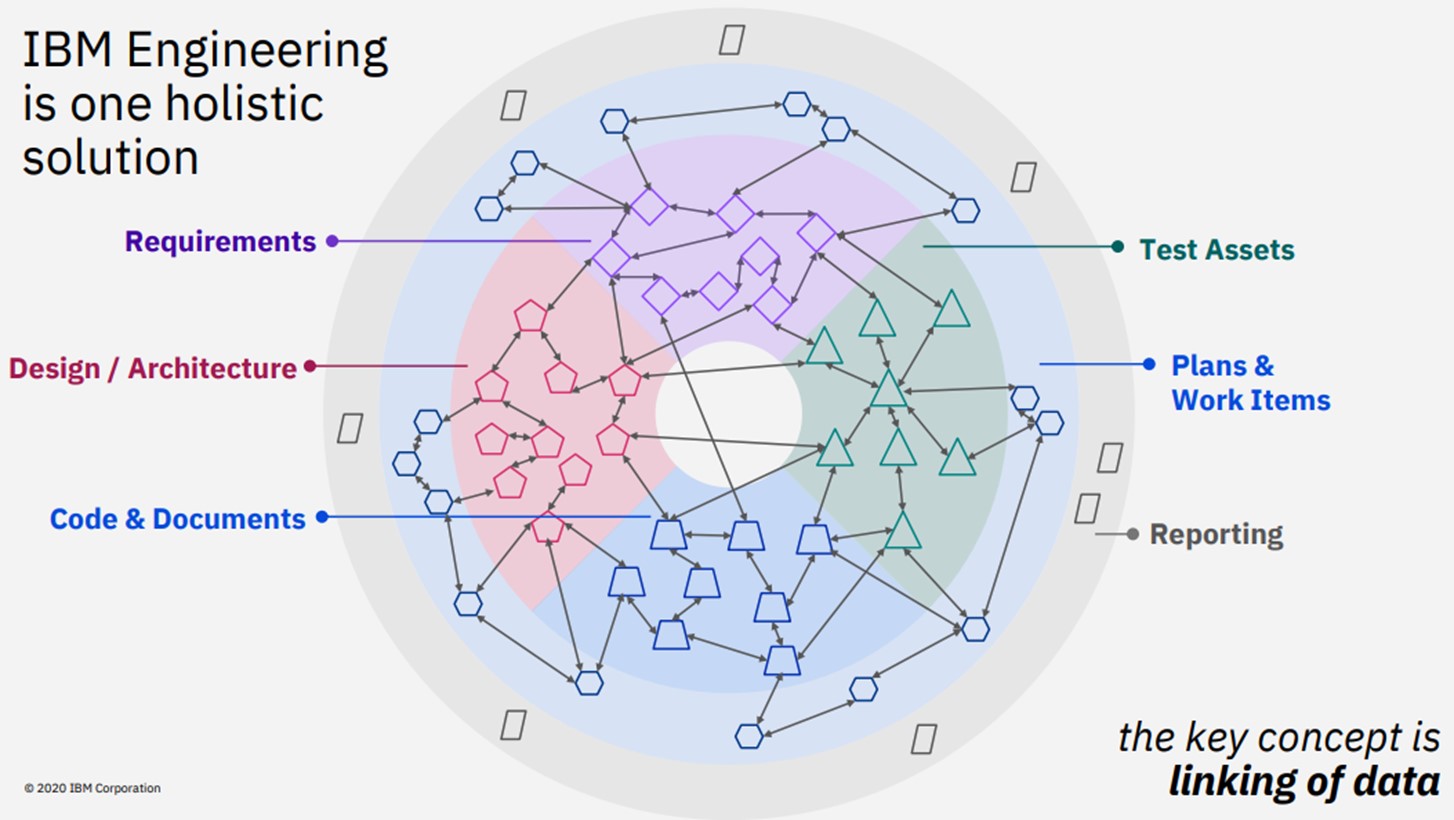
IBM Engineering Lifecycle Management (ELM) provides end-to-end traceability and enterprise governance by unifying the entire engineering lifecycle from requirements to design and development, testing, change management, and delivery on a single platform across highly regulated, quality-critical industries such as Automotive, Aerospace & Defense, Telecommunications, Financial Services, Energy, Healthcare, and Manufacturing.
Web-based access enables seamless collaboration from anywhere in the world with subcontractors and cross-functional project teams.
With configurable workflows for any industry, configuration/version management, and powerful reporting, it strengthens cross-team coordination and supports compliance through impact analysis and a complete audit trail.
ELM also enables reuse of existing requirements and content so instead of starting from scratch on similar projects, teams can quickly adapt proven assets.
It records all changes and helps control who can access what through electronic approvals/signatures and role-based permissions.
With open integration options such as REST and OSLC, it connects easily to your existing tool ecosystem and scales from small teams to thousands of users adapting to an organization’s process maturity and industry needs.
IBM Engineering Requirements Management DOORS
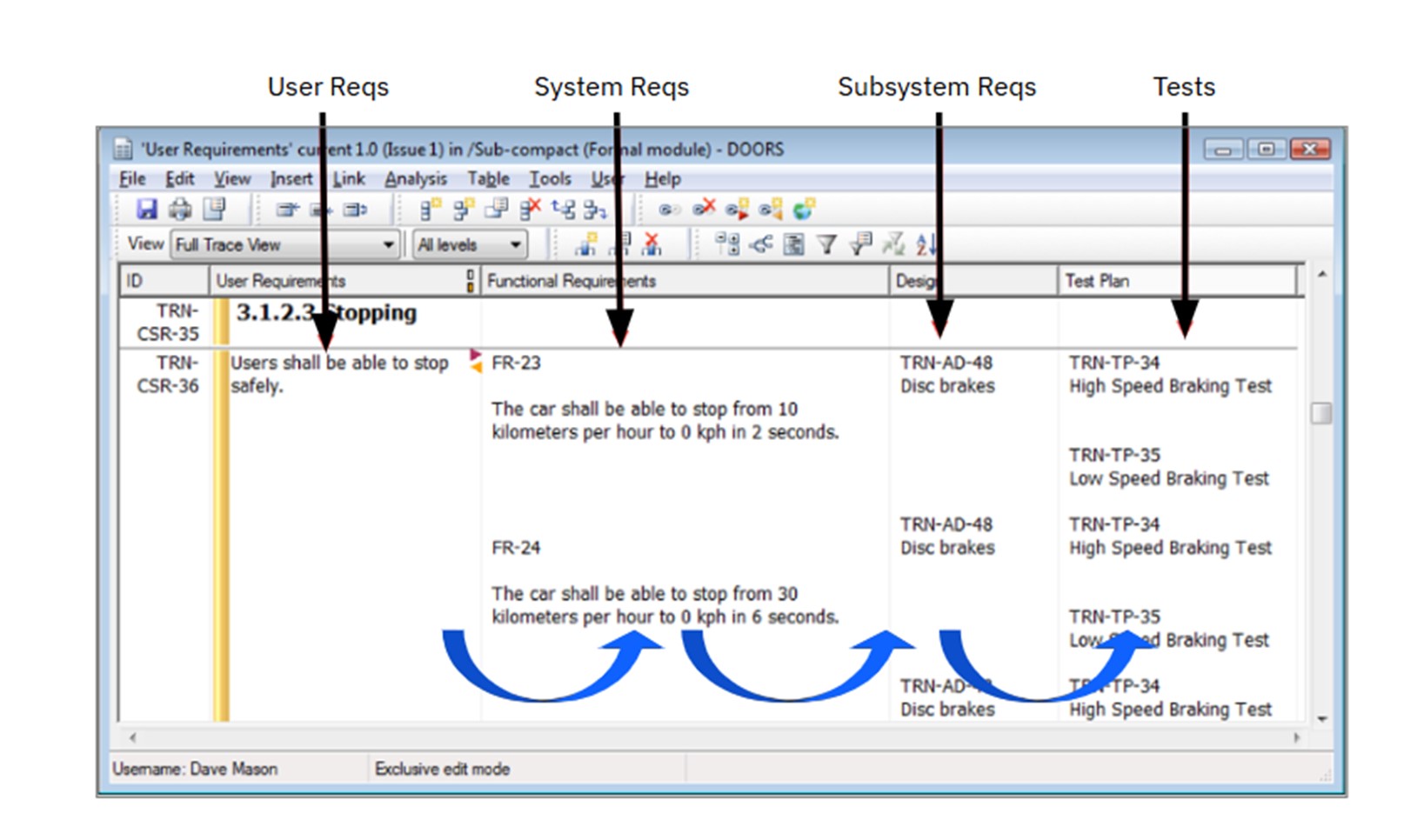
IBM Engineering Requirements Management DOORS is a desktop requirements management solution used in many industries, including aerospace-defense, automotive, healthcare, energy, telecommunications, and banking. It allows you to gather, organize, and keep up-to-date the requirements defined at the very beginning of a project (customer request, business objective, regulatory requirement, etc.) in one place.
Teams can better track the scope and manage changes more effectively. Reporting and analysis features help monitor the impact of changes and contribute to compliance processes with standards/regulations.
In addition to the desktop client, DOORS Web Access extends access through a web browser, making DOORS available to a wider range of stakeholders. Even users who do not work directly in DOORS can easily view requirements, add comments, and participate in review, feedback, and approval workflows.
It also integrates with other tools in the IBM Engineering Lifecycle Management (ELM) family and with selected third-party systems.
IBM Engineering Requirements Management DOORS Next
IBM Engineering Requirements Management DOORS Next is a web-based requirements management solution used across many industries, including Defense, Automotive, Aerospace, Healthcare, Energy, Telecommunications, and Financial Services.
DOORS Next links requirements to design, development, and testing activities, making it easier to see “which need is fulfilled by which delivered outcome.” This helps teams track scope, keep changes under control, and assess the impact of changes more quickly. With comments, reviews, and approval workflows, it encourages stakeholder participation and ensures everyone works from the same source of truth.
Some capabilities such as version control, audit trails, role-based permissions, and robust reporting enable disciplined requirements governance. Integration with other IBM ELM tools and selected third-party systems also helps teams work more seamlessly across the tools they rely on.
IBM Engineering Systems Design Rhapsody
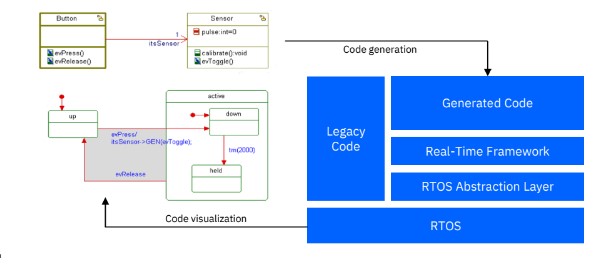
IBM Engineering Systems Design Rhapsody is an engineering tool that enables a model-based approach to designing complex products and systems. Using standard modeling languages such as UML and SysML, it visualizes system architecture, behaviors, and component relationships helping teams align around a shared design language. It also makes it easier to assess the impact of requirements and design changes, detect issues earlier, and generate documentation and analysis outputs directly from the design.
It also supports simulation, automatic code generation, and rapid prototyping. Teams can validate system behavior early by running model simulations, reduce manual effort and inconsistency by generating production-ready code from validated models, and accelerate development by creating prototypes that can be refined iteratively as requirements evolve.
As a result, Rhapsody helps organizations establish a more consistent, traceable, and manageable design process throughout development.
IBM Rhapsody Systems Engineering (Rhapsody SE)
IBM Rhapsody Systems Engineering (Rhapsody SE) is a browser-based engineering tool that makes it easier to design systems by “drawing and modeling” them. Using SysML-based diagrams, teams can visualize system components, their relationships, and how the system behaves—so the design becomes clearer earlier, everyone works with a shared language on the same model, and changes can be managed in a more controlled way.
Because it can be deployed either in the cloud or on-premises, it also enables stakeholders in different locations to access the same model and participate in reviews and provide feedback.
IBM Engineering Test Management (ETM)
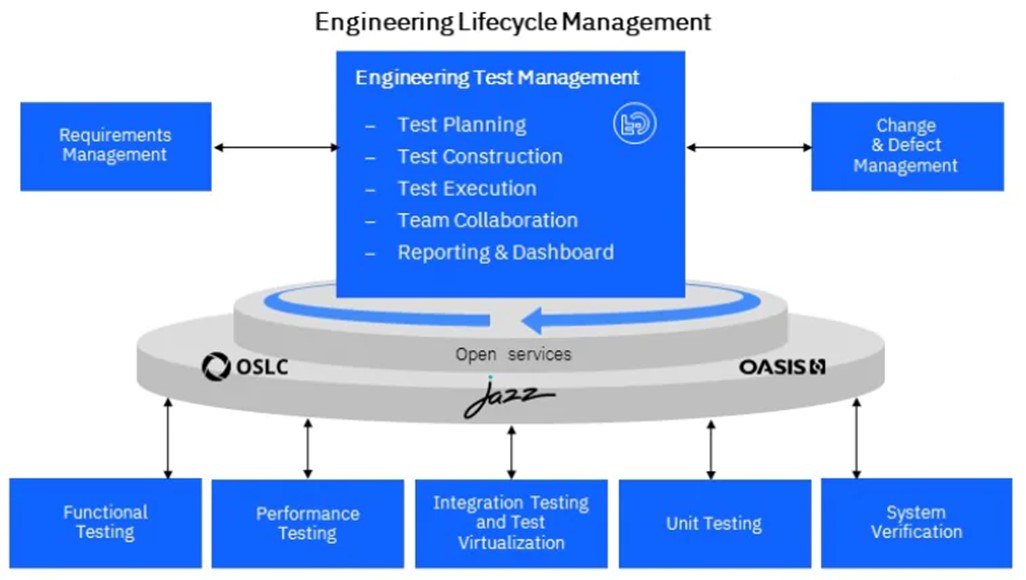
IBM Engineering Test Management (ETM) is a web-based test management solution that enables quality and test teams across all industries to manage testing activities end to end.
It brings together test planning, test design/creation, test execution, and the management of test assets in one place, while strengthening traceability through links spanning from requirements to defects. By supporting different roles (e.g., test manager, test lead, tester), it improves cross-team collaboration and makes progress and quality status visible through reports and metrics. ETM supports a wide range of testing approaches from manual to automated testing and is suitable for projects of any size.
ETM also integrates seamlessly with other tools in the IBM Engineering Lifecycle Management (ELM) product family, enabling teams to manage core testing processes such as test planning, scenario design, execution, and defect tracking through a single platform.
IBM Engineering Workflow Management (EWM)
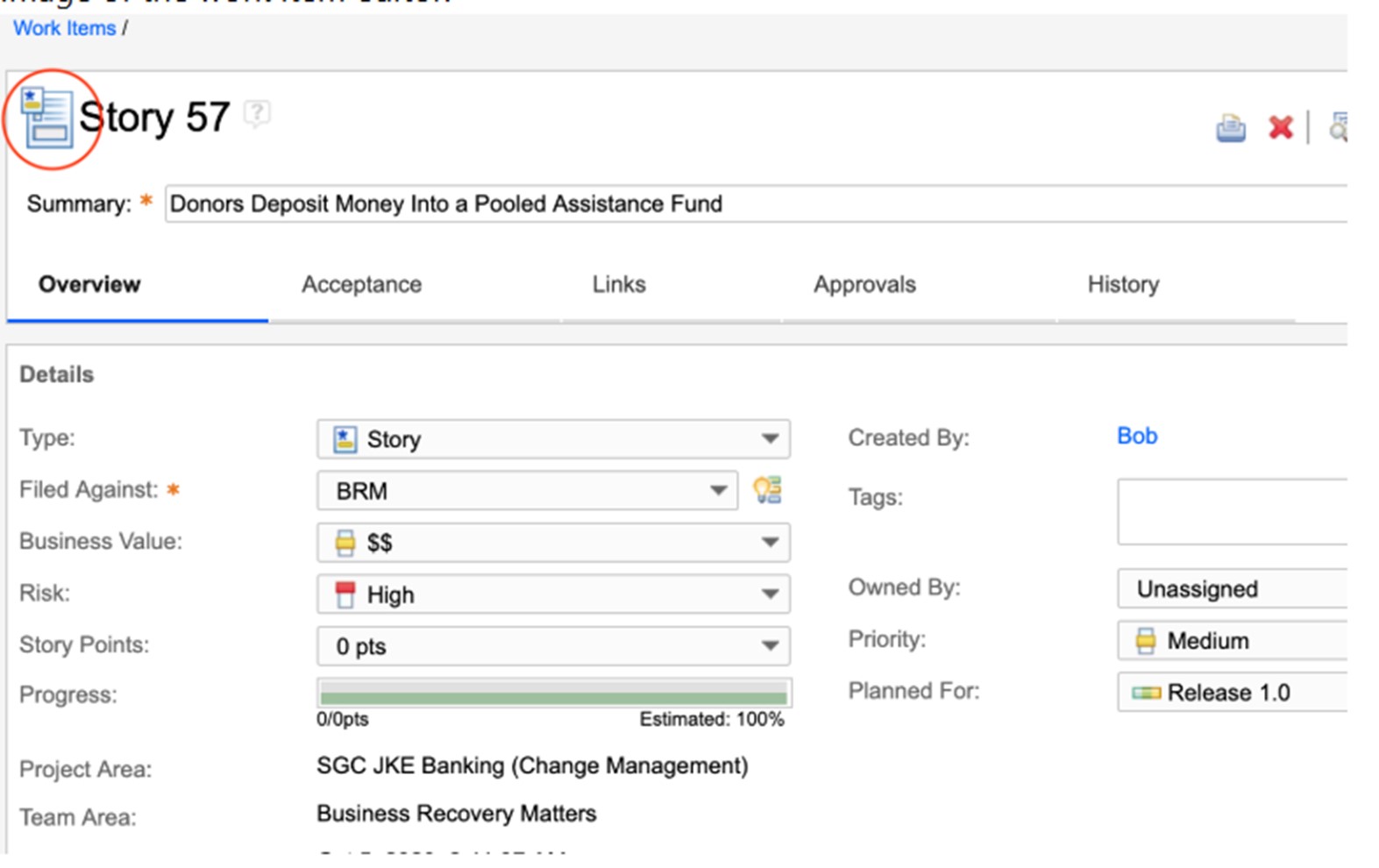
IBM Engineering Workflow Management (EWM) is a solution that enables teams across all industries and roles to plan and manage work end to end—bringing together planning, work item tracking (tasks/defects/changes), process and approval workflows, reporting, and team collaboration on a single platform.
Across product/service development, operations, and transformation programs, it clarifies priorities, dependencies, and ownership—making the flow between “demand” and “delivery” visible. It also strengthens traceability by linking work items to source code commits, build results, and CI/CD pipeline outputs, showing which change relates to which work item and in which build it was delivered.
With flexible workflows and dashboards, managers can monitor real-time status and risks, teams can execute day-to-day work with greater control, and stakeholders can track progress and quality from a single source of truth.
IBM Engineering Lifecycle Optimization – Publishing Engine
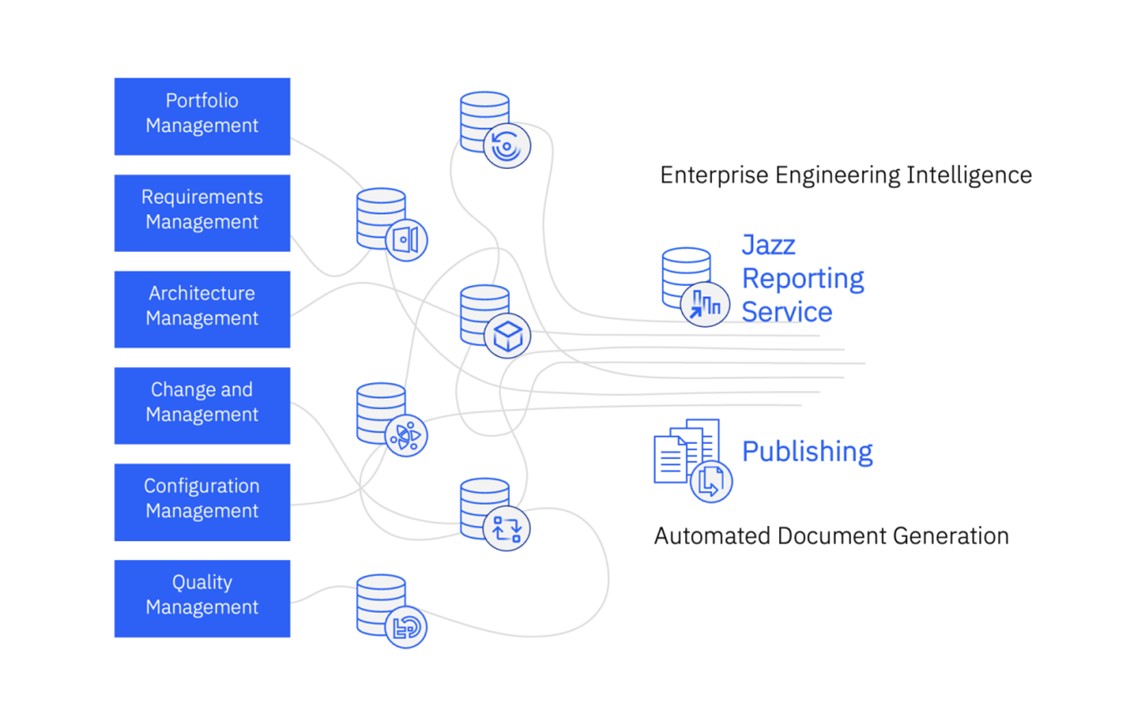
IBM Engineering Lifecycle Optimization – Publishing Engine is a tool that enables the automated generation of documents. The content of published documents is pulled from external systems, referred to as data sources. Publishing Engine automatically collects and assembles this data to produce standardized, consistent, and up-to-date documents quickly.
It supports multiple output formats for document production, allowing users to choose the required format when initiating the publish process. Supported formats include HTML, Word, Excel, PDF, and XSL-FO—making it easy to generate documents that fit different needs and usage scenarios.